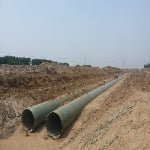
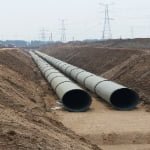
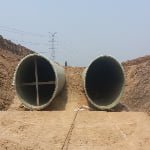
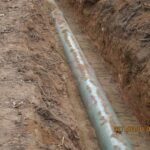
Product Introduction
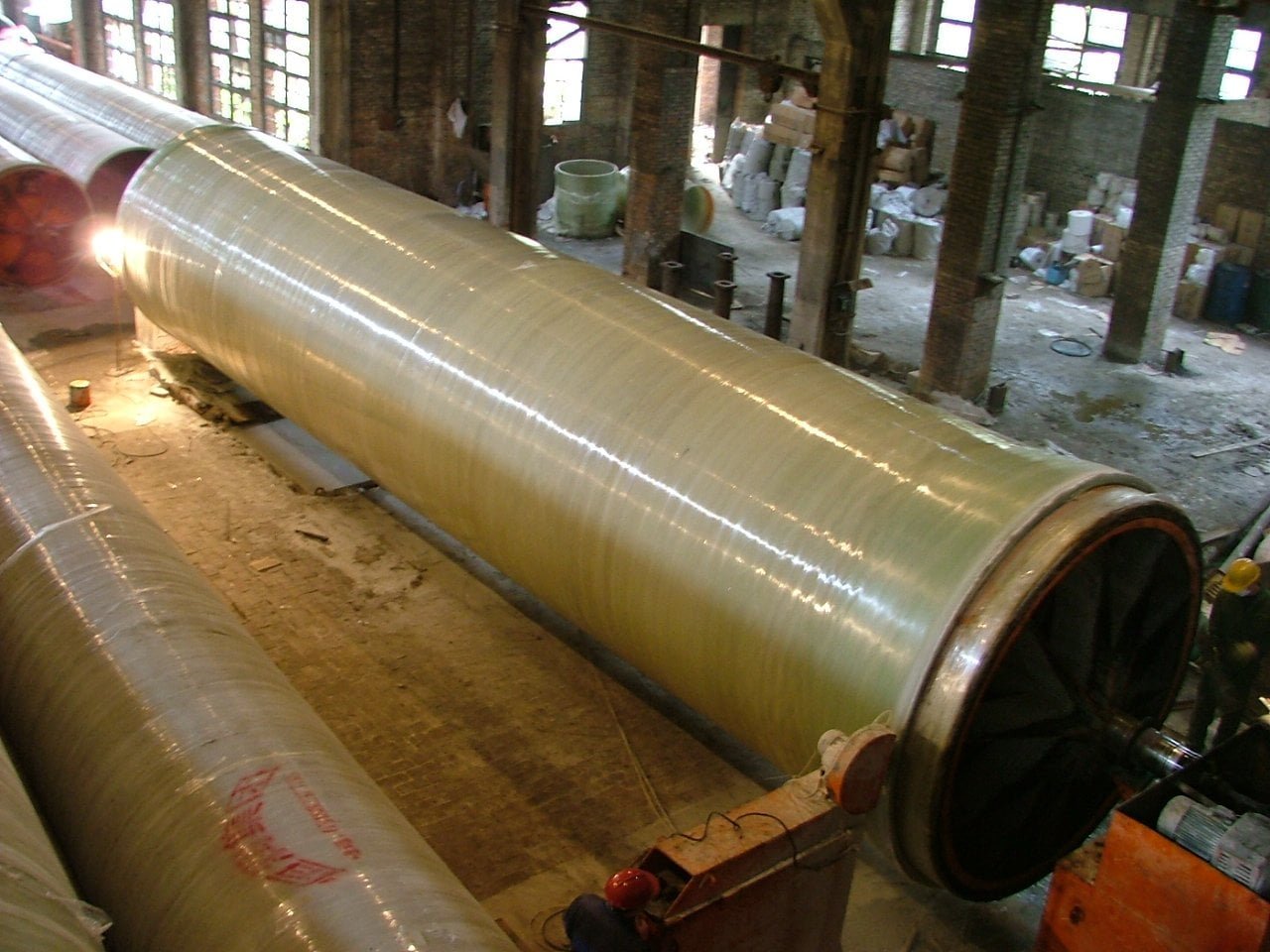
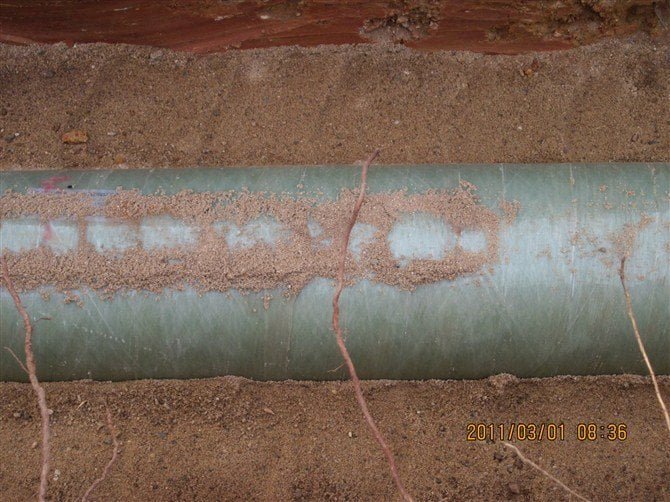
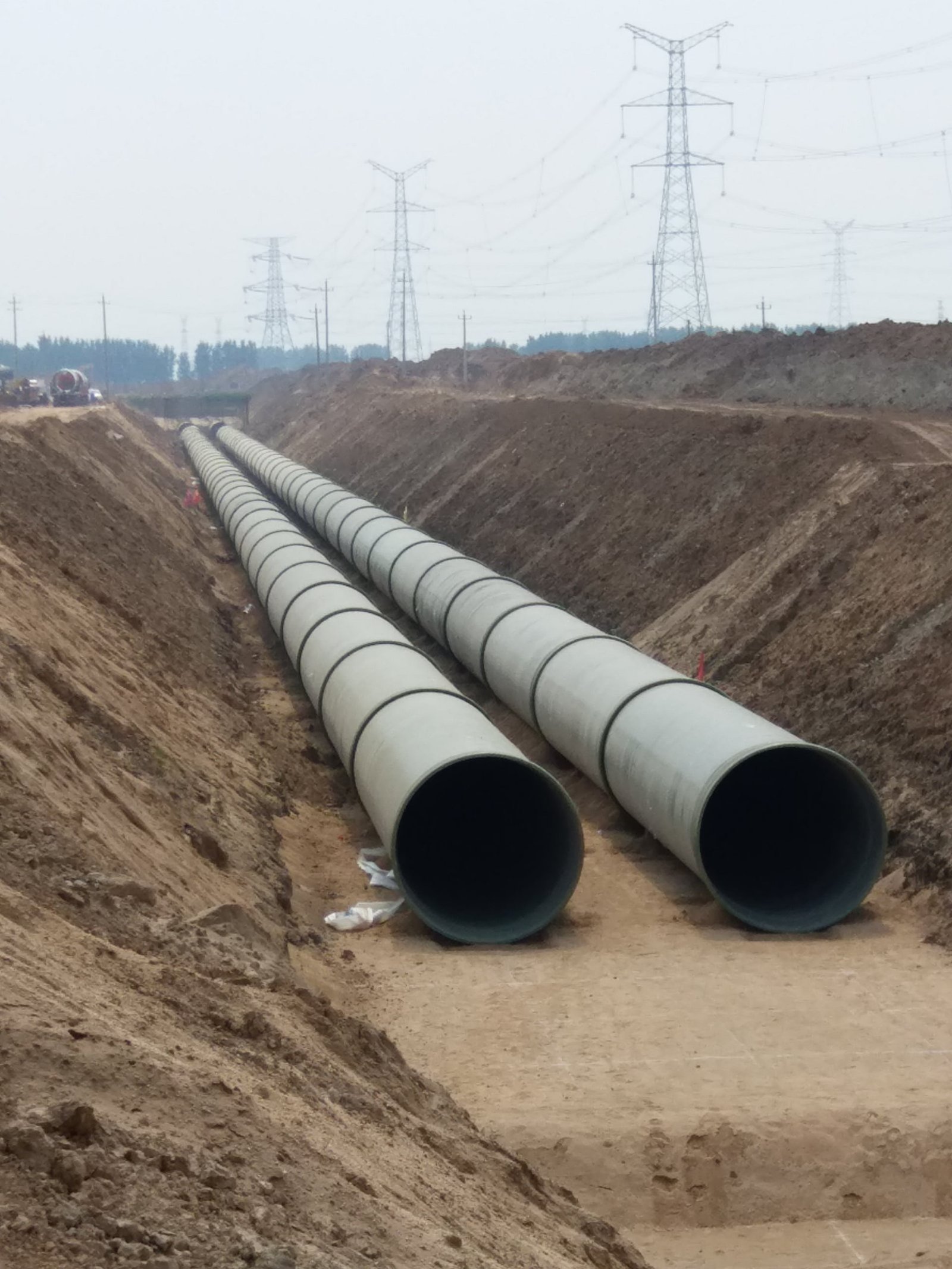
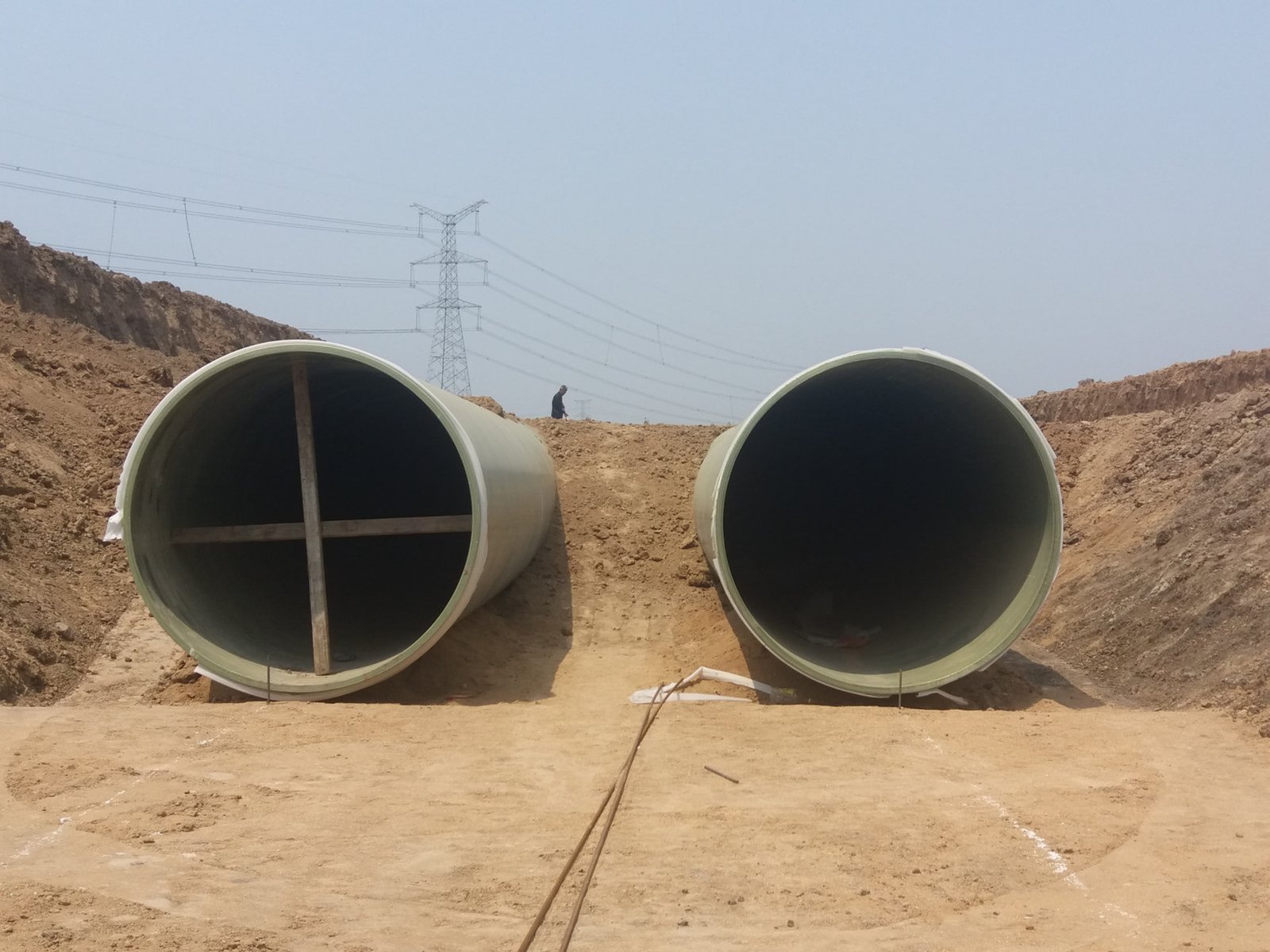
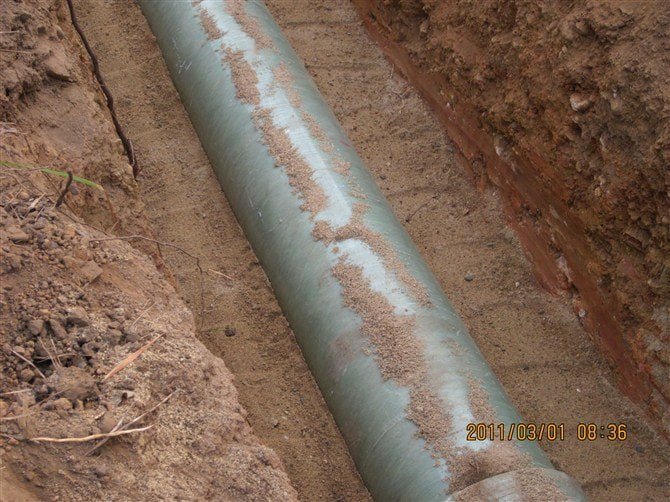
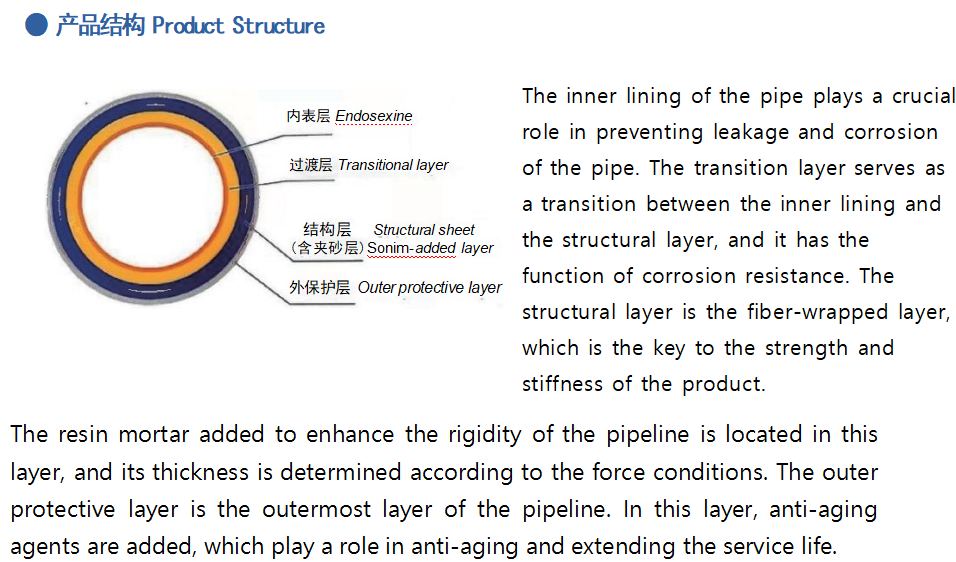
The fiberglass reinforced sand-filled pipe is made from resin (for transporting drinking water, food-grade resin is used), glass fibers, and quartz sand as raw materials, and is produced through a special process. It is formed by winding glass fibers with a resin matrix layer by layer on a rotating core mold according to the process requirements. Its pipe wall structure is reasonable and advanced, which can fully utilize the properties of the materials. Under the premise of meeting the strength requirements, it improves the rigidity, ensures the stability and reliability of the product. The fiberglass reinforced sand-filled pipe, with its excellent corrosion resistance, excellent hydrodynamic performance, energy saving, light weight and high strength, large conveying capacity, convenient installation, short construction period and low comprehensive investment, has become the best choice for the chemical industry, drainage projects and pipeline engineering.
The product complies with international standards such as ISO 10639 and ASTM D3754, and has passed the WRAS drinking water non-toxicity certification. Product standards: GB/T 21238 "Glass Fiber Reinforced Plastic Sandwich Pipes", JC/T 552 "Fiber Wound Reinforced Thermosetting Resin Pressure Pipes", AWWA C950 "Fiberglass Pressure Pipes", ASTM D3262 "Specification for Reinforced Plastic Mortar Sewer Pipes", ASTM D3517 "Specification for Glass Fiber Reinforced Thermosetting Resin Pressure Pipes", ISO 10639 "Pressure and Non-Pressure Water Supply Plastic Pipeline Systems. Unsaturated Polyester (UP) Resin-Based Glass Reinforced Thermosetting Plastic (GRP) System. Amendment 1", ISO 10467 "Pressure and Non-Pressure Drainage and Sewage Plastic Pipeline Systems. Based on Unsaturated Polyester Resin. Glass Reinforced Thermosetting Plastic (GRP) System. Amendment 1".
Product advantages
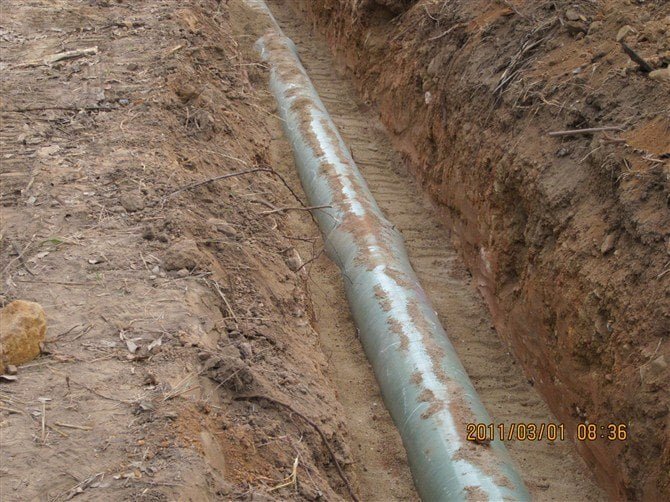
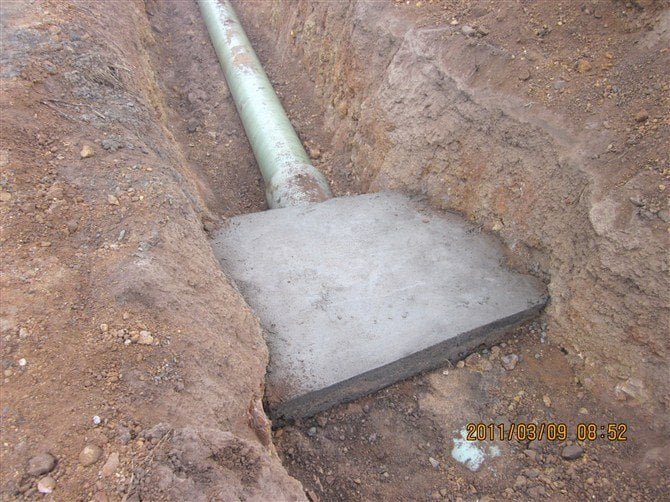
FRP (fiberglass reinforced plastic) sand-mixed pipes are a type of lightweight, high-strength and corrosion-resistant non-metallic pipeline.
The specific gravity of glass steel pipe is between 1.65 and 2.0, which is only 1/4 of that of steel. However, the circumferential tensile strength of glass steel pipes is 180-300 MPa, and the axial tensile strength is 60-150 MPa, which is similar to that of alloy steel.
It has excellent corrosion resistance. The product uses highly corrosion-resistant resin as the raw material, which can withstand the erosion of most acids, alkalis, salts and other numerous chemical substances.
It has strong adaptability to the environment. The product has excellent cold and heat resistance and can be used for a long time in an environment ranging from -50℃ to 80℃.
It has excellent wear resistance. After being tested for 300,000 rotations, the wear depth of the inner wall of the fiberglass reinforced plastic pipeline was only 0.21mm.
Excellent thermal insulation performance. The product has a low thermal conductivity.
High anti-fouling performance, no scaling, no rusting, not contaminated or adhered by microorganisms, and low operating and maintenance costs.
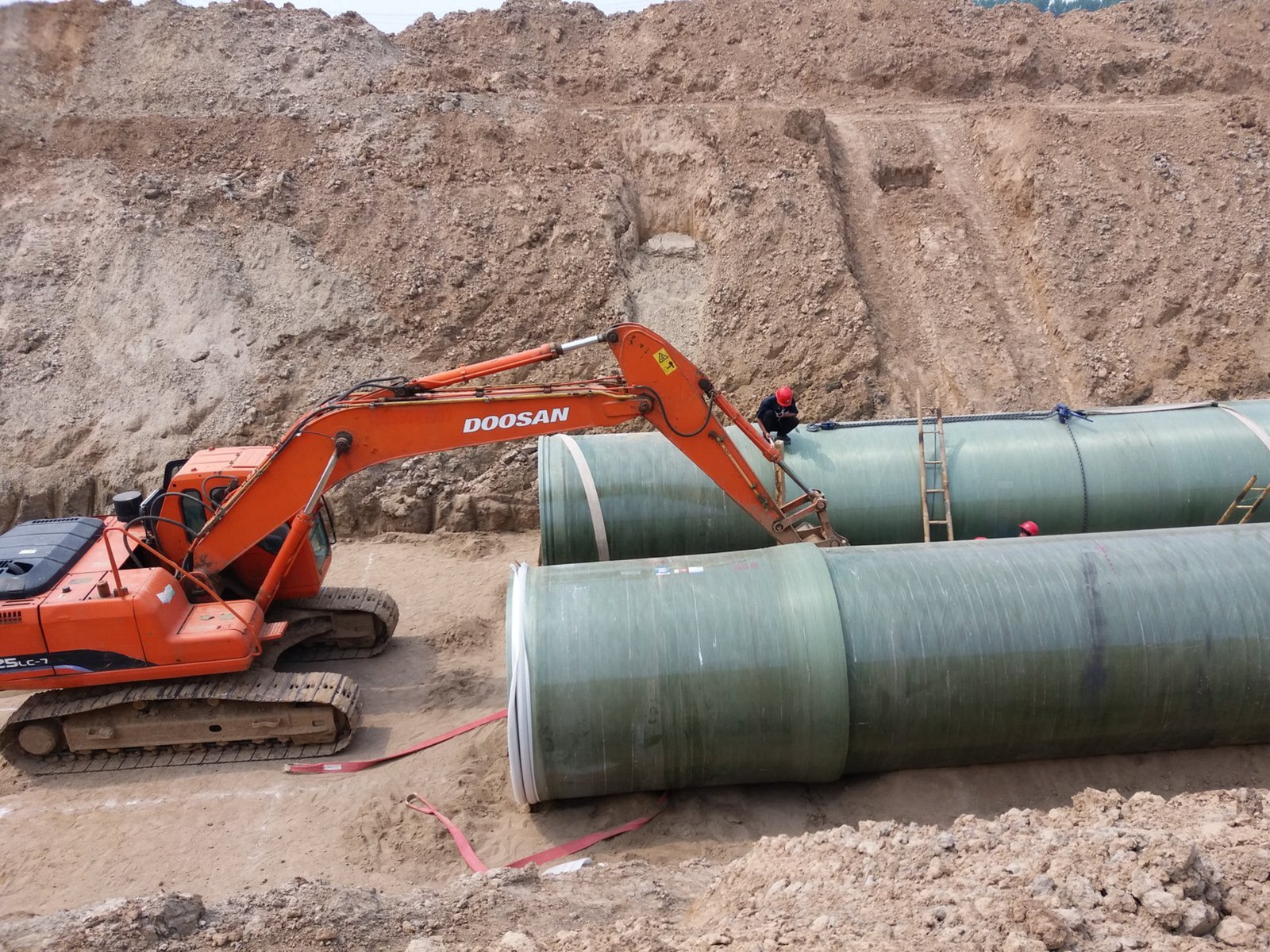
Installation is convenient. The number of interfaces is small, making it easy to install.
It has excellent insulation properties.
Long service life. The service life can reach over 50 years.
The overall benefits are excellent. Due to the long service life of glass steel pipelines, the construction investment, installation and maintenance costs, and other factors are shared over a long period of time, making the overall benefits of the project very good.
● Connection Method
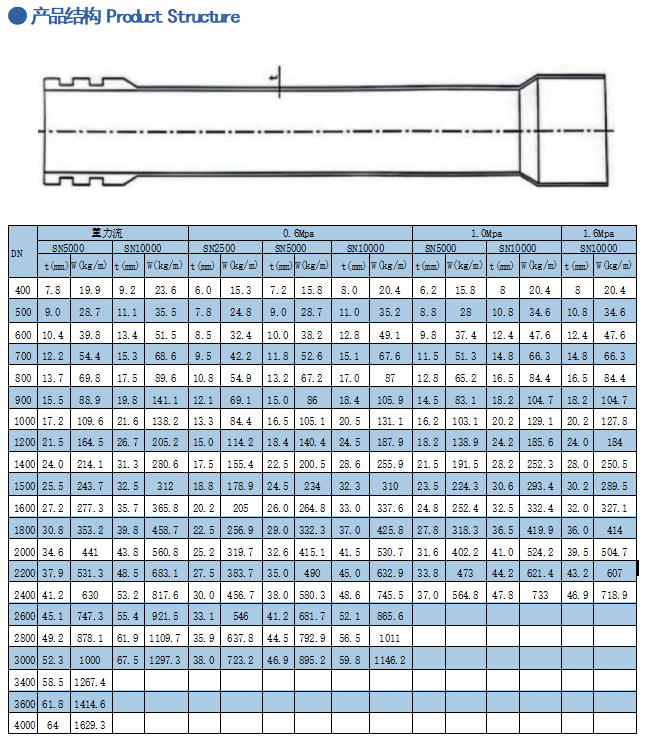
The main connection methods for fiberglass reinforced plastic pipes are: single/double sealing ring socket connection, straight mouth bonding, flange connection, and sleeve joint connection. The specific connection method is selected according to the construction requirements.
· Production Process
The production process of fiberglass reinforced plastic (FRP) sand-laminated pipes is divided into two types: fixed-length winding and continuous winding.
Continuous winding process (abbreviated as CW) is a continuous production method. The production line is fully automated equipment, with high production efficiency and stable product quality. The application of the carrying material is continuous fibers and chopped fibers. Continuous fibers achieve high tensile strength, while chopped fibers have strong integration with the overall pipe wall. A production method for manufacturing pipe materials layer by layer from the inside out within a certain range.
● Application Areas
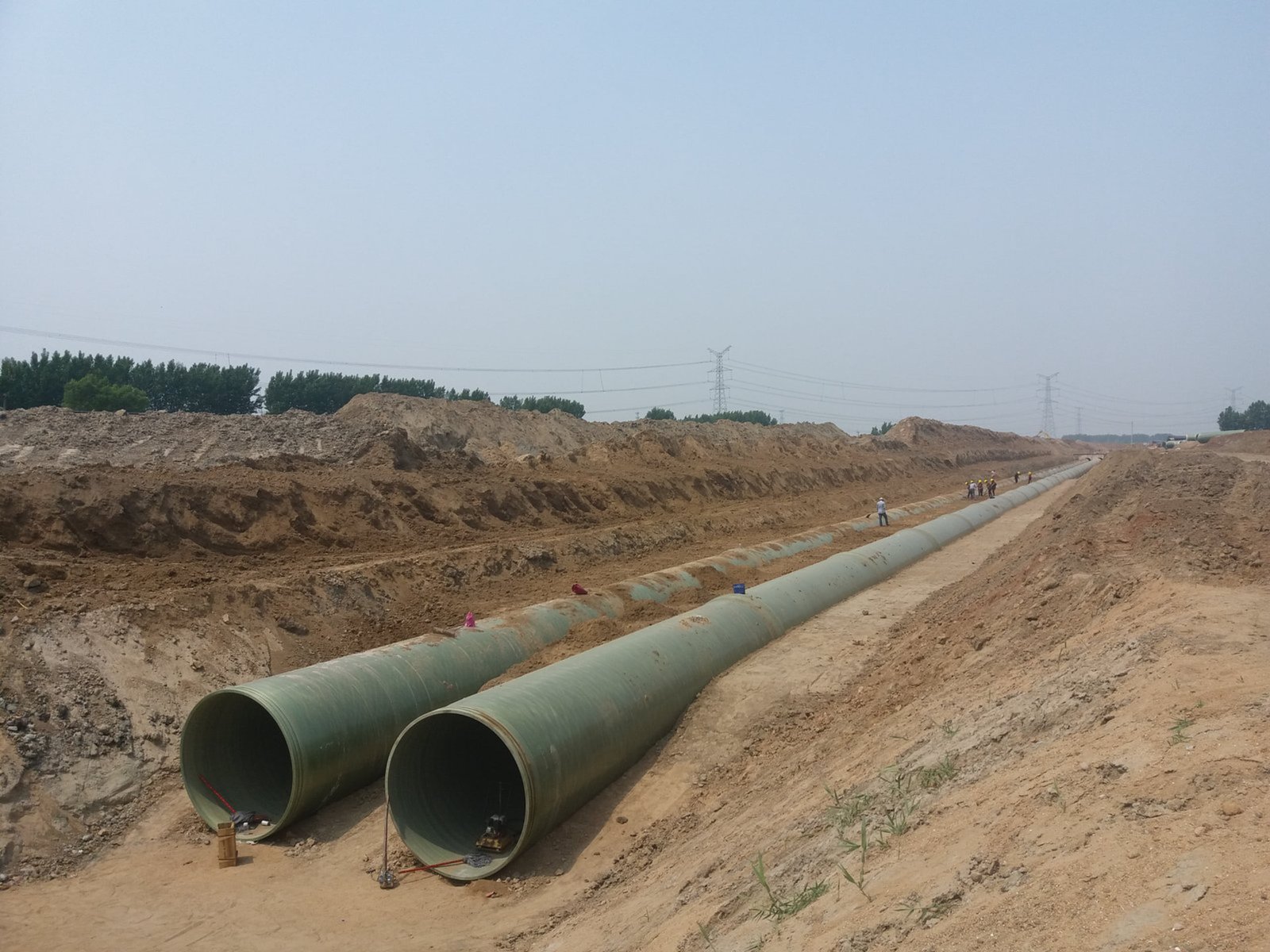
FRP sand-mixed pipes (continuous winding / fixed-length winding) are widely used in the transportation of chemical media, various processes (chemical processes, paper-making processes, sewage treatment processes, seawater desalination processes, food and beverage processing processes, pharmaceutical processes, etc.), small hydropower stations on the ground, power plants, sewage collection and transportation, drinking water transportation, oilfield water injection and crude oil transportation, thermal energy transportation, seawater transportation, agricultural irrigation, etc.